
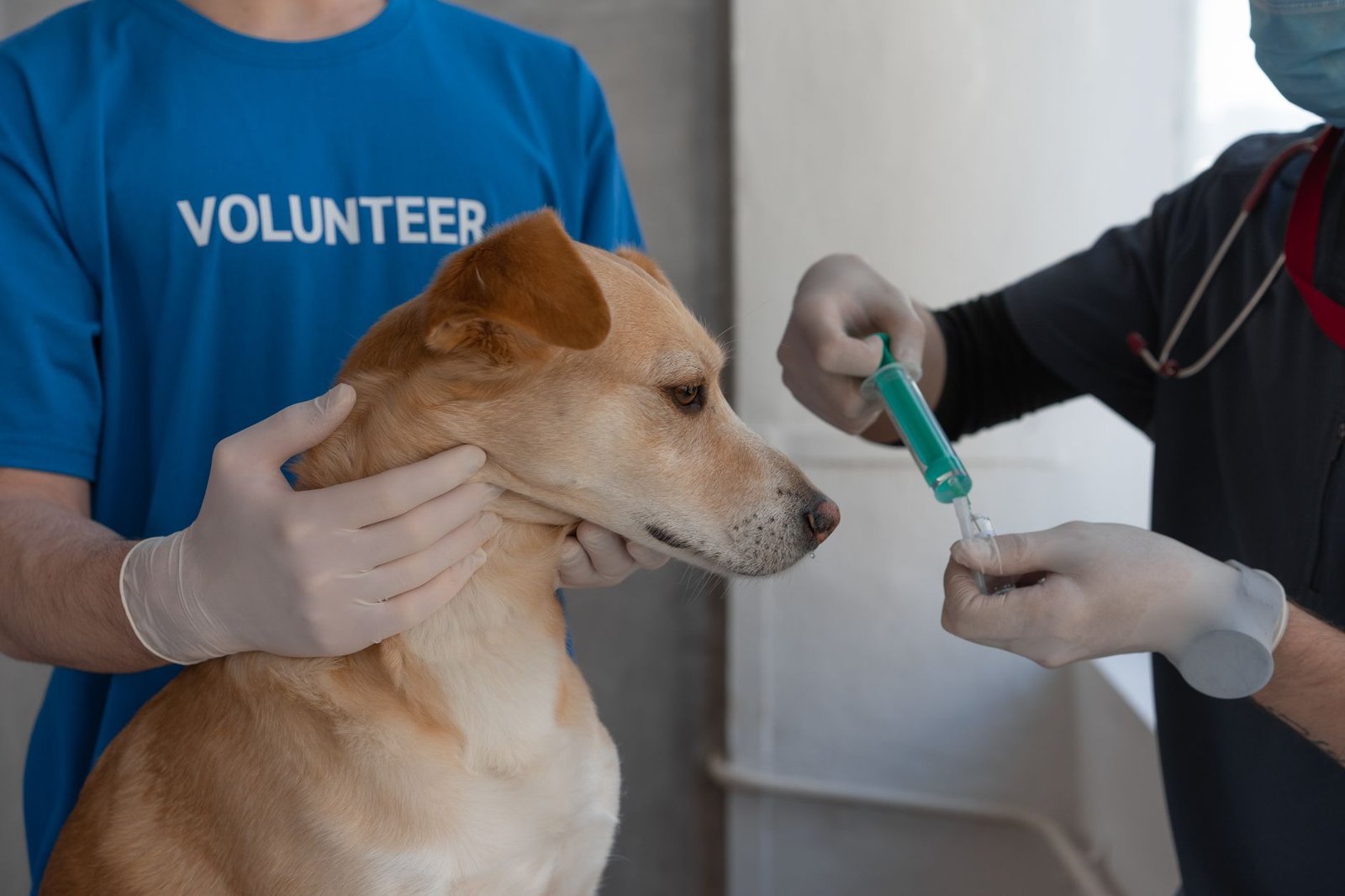

This course will give you an overview of the veterinary industry, the role played by Veterinary Support Assistants (VSAs), and the most common issues and challenges faced by those working in the profession. It will equip you with the knowledge you will need to communicate effectively with other members of the veterinary team and further your career in this sector.
Working as a VSA is a great way of making a real difference to the lives of sick and injured animals on a daily basis. However, the terminology and technical knowledge required to succeed as a VSA can seem intimidating to industry newcomers. This course presents key concepts in animal care in a straightforward manner, so that you can begin your career with confidence. You will also obtain a working knowledge of key legislation necessary to keep you and your patients safe.
From administering first aid to routine surgery, you will learn what happens in the consultation rooms and operating theatres in a typical veterinary practice. The course addresses patient care at every stage of treatment, from diagnosis to surgery and post-operation recovery. It focuses primarily on the treatment of common domestic species, but the needs of exotic animals and horses are also addressed.
In light of the increasing emphasis on customer service within the industry, the course also examines the typical customer’s experience as they seek out the best possible care for their pet. Owners can become highly stressed when their beloved pet is ill, and this course contains practical advice for communicating effectively with customers facing emotional strain both in person and on the telephone.
This course will provide anyone looking to work as a VSA with a realistic insight into the workings of a veterinary practice and future options for career progression. It will also be of interest to anyone who wishes to learn more about animal care or further their knowledge of the veterinary industry in general.
What you will learn:
- An introduction to veterinary medicine and job roles available within the industry
- How to improve your chances of getting a job as a VSA and how to undertake further training once you have obtained a position
- Health and safety issues that affect VSAs including the pieces of legislation addressing animal welfare and workplace safety
- How veterinary patients are cared for and monitored by veterinary staff during their stay
- An overview of animal welfare issues, including common ethical dilemmas and frameworks for making difficult decisions
- Common terminology and equipment used by veterinary staff in consultations and during surgery
- The most common procedures, including diagnostic tests, used in veterinary medicine
- How to handle a variety of animal species, including cats, dogs, horses and small mammals
- How emergency situations are handled, from initial assessment through to the administration of first aid and treatment
- The role of customer service in a modern veterinary surgery and how a practice can establish a positive role within the wider community
Explore our full library of training courses.
Course content
10 modules · 12 hours of learning
- Module 01: Introduction To The Veterinary Industry
- Module 01: Introduction To The Veterinary Industry
- Module 02: Qualifications For Veterinary Support Assistants
- Module 02: Qualifications For Veterinary Support Assistants
- Module 03: Health And Safety Laws And Regulations
- Module 03: Health And Safety Laws And Regulations
- Module 04: Care and Monitoring of Inpatients
- Module 04: Care and Monitoring of Inpatients
- Module 05: Animal Health And Welfare
- Module 05: Animal Health And Welfare
- Module 06: Key Veterinary Terminology And Equipment
- Module 06: Key Veterinary Terminology And Equipment
- Module 07: Common Procedures
- Module 07: Common Procedures
- Module 08: Animal Handling
- Module 08: Animal Handling
- Module 9: Dealing With Emergencies
- Module 9: Dealing With Emergencies
- Module 10: Customer Service In The Veterinary Practice
- Module 10: Customer Service In The Veterinary Practice




Reviews
There are no reviews yet.