
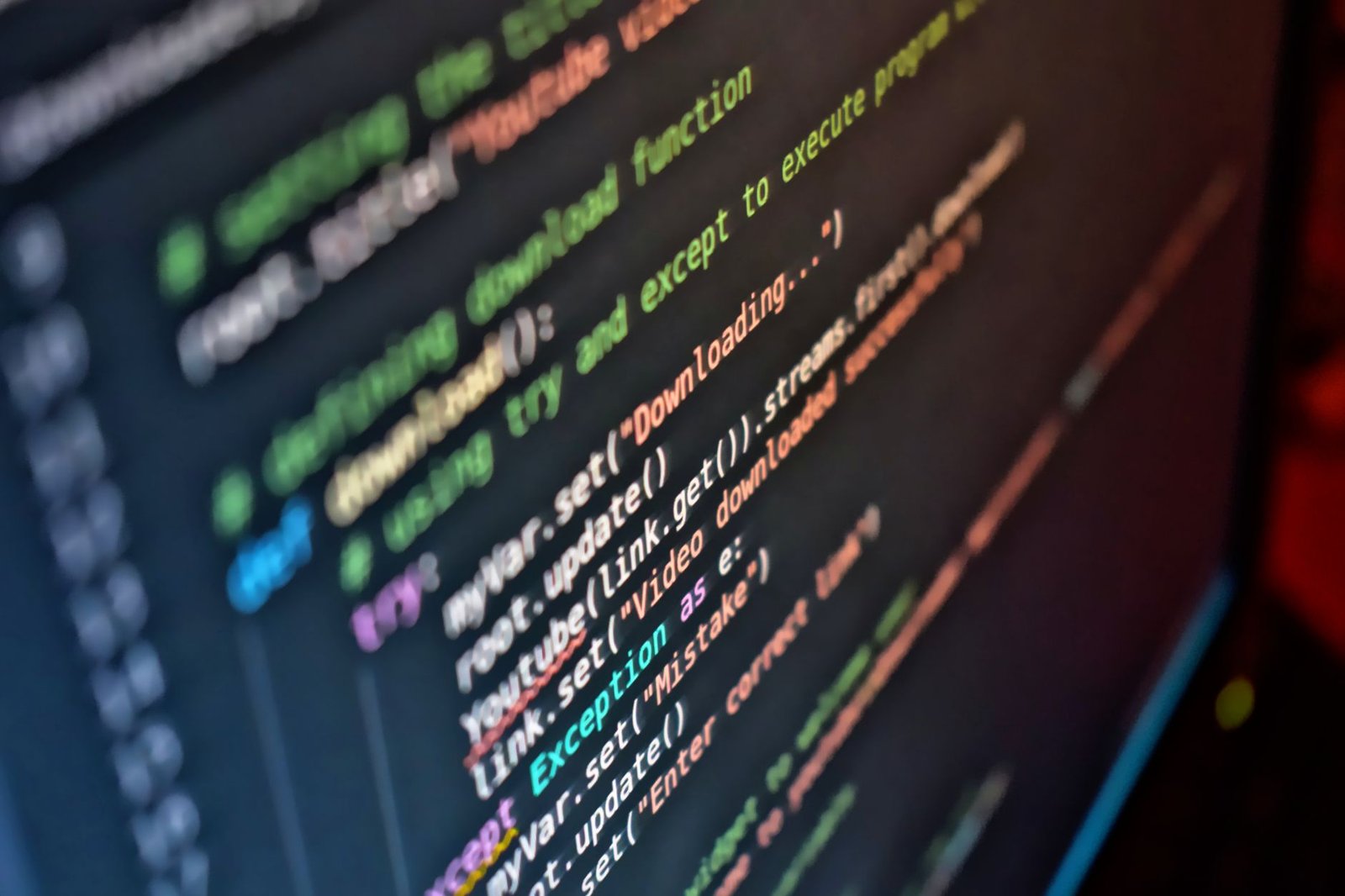


If you are curious about how software works or would like to write your own programs but do not know where to begin, this course is for you. Coding can help you develop practical technical skills, strengthen your problem-solving abilities and better understand the technology used in everyday life.
This introductory course may be useful if you are considering further study, exploring a career in technology or simply looking to improve your digital confidence. You do not need any previous programming experience.
Coding for Beginners Certificate Course
This course introduces the essential concepts needed to begin writing simple programs. It has been designed for beginners and includes practical examples using Python, a widely used general-purpose programming language.
You will progress from basic computing and programming concepts to variables, collections, decisions, loops, functions, modules and object-oriented programming. You will also learn how to handle errors, work with external files and JSON data, and manage third-party packages in a virtual environment.
By the end of the course, you should have a foundation for continued study and be able to plan, write, test and improve small Python programs.
What you will learn:
The course combines explanations, example programs and practical activities to help you apply what you learn. Topics include:
- Important developments in the history of computing and programming
- How computers represent and process information using binary
- How to create variables and use common Python data types and operators
- How to work with strings, lists, tuples, sets and dictionaries
- How to control program execution using conditions and loops
- How to define functions, pass arguments and return values
- How to organise and reuse code with modules and packages
- The principles of object-oriented programming, including classes, objects and methods
- How inheritance and composition can be used to organise related behaviour
- How to handle expected exceptions and respond to errors appropriately
- How to read and write text files and structured JSON data
- How to create virtual environments and install third-party packages safely
Explore our full library of online training courses.
Course content
10 modules · 11 hours of learning
- Module 1: Evolution of Computers and Coding
- Module 1: Evolution of Computers and Coding
- Module 2: Getting ready to code
- Module 2: Getting ready to code
- Module 3: Mathematics Basics
- Module 3: Mathematics Basics
- Module 4: Variables & Data Types
- Module 4: Variables & Data Types
- Module 5: Working with variables using operators and data type conversion
- Module 5: Working with variables using operators and data type conversion
- Module 6: Controlling the flow of code using conditional statements and loops
- Module 6: Controlling the flow of code using conditional statements and loops
- Module 7: Working with Built-in and User-defined Functions
- Module 7: Working with Built-in and User-defined Functions
- Module 8: Organising code into modules and packages
- Module 8: Organising code into modules and packages
- Module 9: Creating Object Oriented programs using classes and instances
- Module 9: Creating Object Oriented programs using classes and instances
- Module 10: Reusing code by inheritance, external files and third-party packages
- Module 10: Reusing code by inheritance, external files and third-party packages




Reviews
There are no reviews yet.